
Unofficial specifications
RAM ExpandableElectric | Engine ConfigurationN/A |
Valves Per CylinderN/A | Processor CoresN/A |
RAM SlotsN/A | Differential TypeSingle-speed |
Launch Year2013 | BrandBMW |
Model NameBMW i3 | Generation1st |
SegmentElectric Hatchback | Processor ThreadsN/A |
VariantBase | RAM SpeedN/A |
Engine AspirationN/A | Dimensions3999 x 1755 x 1578 mm |
Acceleration 0-100 km/h7.3 seconds | ABS (Anti-lock Braking System)Yes |
Airbags6 | Air ConditioningAutomatic Climate Control |
Bluetooth ConnectivityYes | Body TypeHatchback |
Boot Space260 liters | Brake TypeDisc |
Climate ControlDual-zone | Clutch TypeAutomatic |
Cooling SystemLiquid | Cruise ControlYes |
Displacement0 cc | Drive TypeRear-wheel drive |
Emission StandardEuro 6 | Engine TypeElectric |
Fuel CapacityN/A | Fuel SystemN/A |
Fuel Tank CapacityN/A | Fuel TypeElectric |
GearboxSingle-speed automatic | Ground Clearance150 mm |
Headlight TypeLED | Horsepower170 hp |
Ignition TypeElectric | Infotainment SystemBMW iDrive |
Kerb Weight1300 kg | Length3999 mm |
Max Power125 kW | Max Torque250 Nm |
MileageN/A | Number of Cylinders0 |
Number of Gears1 | Number of Seats4 |
Parking SensorsYes | Power SteeringElectric |
Rear CameraYes | Seating Capacity4 |
Starting SystemKeyless Start | Suspension TypeMacPherson strut |
Top Speed150 km/h | TouchscreenYes |
TransmissionAutomatic | Tyre Size155/70 R19 |
Tyre TypeAll-season | Valve ConfigurationN/A |
Valve Per CylinderN/A | Wheelbase2570 mm |
Width1755 mm | ColorFluid Black |
Compression RatioN/A | CEO / MD Name |
Power to Weight (HP/ton)130 hp/ton | Mileage City (km/L)N/A |
Mileage Highway (km/L)N/A | Mileage Combined (km/L)N/A |
Battery Capacity (kWh)42 kWh | Motor Power (kW)125 kW |
Motor Torque (Nm)250 Nm | Charging TypeAC and DC Fast Charging |
Front SuspensionMacPherson strut | Rear SuspensionMulti-link |
Steering TypeElectric Power Steering | Steering AdjustmentTilt and Telescopic |
Wheel Size (inch)19 inches | Spare Wheel TypeNone |
DRLYes | Fog Lamp TypeHalogen |
Alloy WheelsYes | Sunroof TypeOptional |
Roof RailsNo | ORVM TypeElectrically adjustable |
Wiper TypeIntermittent | Driver Seat AdjustmentManual |
Ventilated SeatsNo | Infotainment Screen (inch)10.25 inches |
Apple CarPlayYes | Android AutoYes |
Sound System BrandHarman Kardon | Number of Speakers12 |
Ambient LightingYes | EBDYes |
Traction ControlYes | ESCYes |
Hill HoldYes | ISOFIX MountsYes |
Camera TypeRearview | Adaptive Cruise ControlOptional |
Lane Keep AssistOptional | Automatic Emergency BrakingYes |
Blind Spot MonitorOptional | Keyless EntryYes |
Push Button StartYes | Digital Instrument ClusterYes |
Heads Up DisplayNo | Drive ModesEco, Comfort, Sport |
Connected Car FeaturesYes | OTA UpdatesYes |
Vehicle Warranty (Years)4 | Engine Warranty (Years)N/A |
Battery Warranty (Years)8 | Ex-Showroom Price (USD)44000 |
Reviewer
Mar 18, 2026
Edmunds Rating: 3.7/5 | True Cost Award: No | Buyer Value: 3.5/5 | 5-Year Cost: $45,000 - $50,000
The BMW i3 is a unique electric vehicle that stands out with its distinctive styling and sustainable materials. It's best suited for urban dwellers looking for a compact, eco-friendly car that excels in stop-and-go traffic. If you're someone who values green technology and are primarily looking for a car to handle your daily commute and errands, the i3 could be a great fit. However, families or anyone needing more cargo space might find it lacking. If you're considering a purchase, aim for the end of the model year when dealers may offer significant discounts. Leasing might be favorable for those who prefer driving a new car every few years, as electric vehicle technology is rapidly evolving.
The average purchase price of a BMW i3 currently sits around $45,000. Registration and title fees will vary by state but can be estimated at around $1,200 over five years. Insurance costs for the i3 average about $1,200 annually, totaling approximately $6,000 for five years. Maintenance projections are relatively low for electric vehicles, expected to be around $1,500 over five years, considering fewer moving parts compared to traditional vehicles. Repair costs are generally minimal, but some owners have reported issues with the battery and electrical systems; repairs can range from $500 to $2,000 depending on severity. Fuel costs for the i3 are minimal, as electricity is cheaper than gasoline, averaging about $1,200 over five years. When considering depreciation, the i3 tends to lose about 53% of its value in five years, resulting in a total 5-year ownership cost of around $45,000 - $50,000. This is higher than many compact cars in its segment, which typically range from $30,000 - $40,000.
Edmunds reliability rating for the BMW i3 is based on 1,500 owner reports, indicating a mixed bag of experiences. Common problems reported include issues with the battery management system and infotainment glitches, particularly for models over 30,000 miles. Warranty coverage includes a 4-year/50,000-mile basic warranty and an 8-year/100,000-mile warranty for the battery, which is fairly adequate for most owners. Typical repair costs can vary widely but expect to pay between $300 and $1,500 for common electric vehicle repairs. BMW's reputation in the electric vehicle segment is still developing, and while many owners appreciate the fun driving experience, reliability concerns remain for some.
The MSRP for the BMW i3 starts around $44,000, while the typical transaction price is closer to $45,000 due to demand and incentives. Currently, there are federal tax credits available for electric vehicle purchases, which can cut the price by up to $7,500, making the effective cost more competitive within its segment. Compared to competitors like the Nissan Leaf and Chevrolet Bolt, the i3 is priced higher but often includes more luxury features and unique materials. In terms of leasing, the i3 offers competitive monthly rates, especially when factoring in available incentives. Buyers should focus on negotiating the purchase price and be aware of current incentives to maximize value.
The BMW i3 accelerates from 0-60 mph in about 7.2 seconds, which is respectable for an electric vehicle. The driving experience is characterized by its nimble handling and tight turning radius, making it ideal for city driving. Comfort on long drives can vary, as the i3's small size may lead to a cramped feeling over extended periods, especially for taller passengers. Steering feel is responsive, providing good feedback, while the sound system quality is impressive, enhancing the overall driving experience. Daily practicality is decent, but the i3's small footprint limits its performance in highway situations compared to larger electric vehicles.
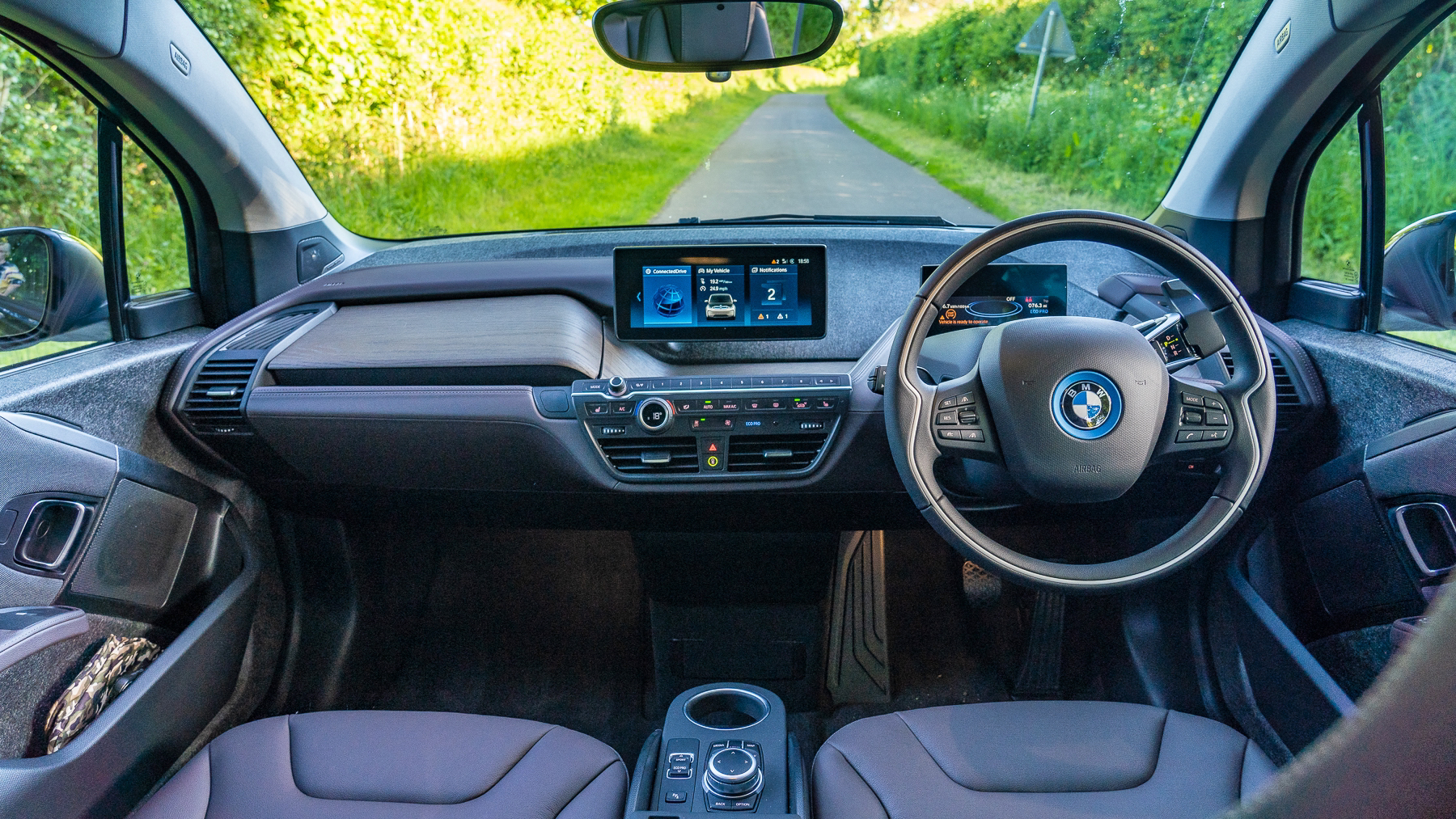
The interior of the BMW i3 is spacious for a subcompact vehicle, with a unique design that includes recycled materials. It comfortably seats four adults, but rear passenger space may feel tight for taller individuals. The cargo capacity is limited to about 15.1 cubic feet, which may not meet the needs of larger families or those needing to transport bulky items. The infotainment system is user-friendly, with a mix of physical buttons and touchscreen controls, and includes Apple CarPlay and Android Auto compatibility, enhancing usability. Overall, while the i3 offers a modern and stylish interior, its practicality may not suit every buyer.
The BMW i3 achieved a five-star overall safety rating from the NHTSA and received good ratings from the IIHS in various categories, making it a solid choice for safety-conscious buyers. Real-world crash data indicates that the i3 performs well in collisions, with minimal injuries reported among occupants in owner-reported incidents. Active safety features include collision mitigation and lane-keeping assist, which are effective in preventing accidents. Compared to other vehicles in the electric vehicle segment, the i3's safety ratings are competitive, though some rivals may offer more advanced driver-assistance technologies.
The EPA rates the BMW i3 at 113 MPGe combined, but owner-reported real-world numbers suggest an average closer to 100 MPGe, depending on driving habits. Factors such as aggressive acceleration and frequent short trips can negatively affect fuel efficiency. To optimize fuel economy, owners should practice smooth acceleration and utilize regenerative braking. Compared to direct competitors like the Nissan Leaf and Chevrolet Bolt, the i3's efficiency is competitive, but it does not lead the segment. For those considering hybrid or alternative fuel vehicle options, the i3 remains a strong choice for urban driving.
The BMW i3 comes with a basic warranty covering 4 years/50,000 miles, which is standard for the segment. The powertrain warranty extends to 8 years or 100,000 miles, providing peace of mind for battery-related issues. Corrosion protection is also included for 12 years, ensuring durability against rust. Extended warranty options are available for those seeking additional coverage. BMW offers 24/7 roadside assistance for the first 4 years, which is helpful for electric vehicle owners who may encounter unique charging issues. Potential gaps in warranty coverage could include wear-and-tear items not covered under the standard policy.
For first-time car buyers: The i3 offers a unique entry point into electric vehicles with its distinctive style and features. For commuters: The compact size and efficiency make it ideal for city driving. For families: Those with small children or who require infrequent larger cargo transport may find it adequate, but larger families should consider alternatives. For value hunters: The i3 may not be the most economical choice in total cost of ownership, but it offers a premium electric experience. For enthusiasts: Its fun driving dynamics and BMW pedigree appeal to those who appreciate a sporty driving experience. For business use: The i3's small footprint and low running costs make it practical for urban deliveries and commuting.
The BMW i3 typically depreciates about 53% over five years, which is significant but not unusual for electric vehicles. After three years, you can expect a trade-in value of around $20,000. Resale market demand for the i3 is moderate; while it has a dedicated following, the unique styling can limit appeal to a broader audience. Factors affecting resale value include the condition of the battery, overall vehicle condition, and market trends in electric vehicles.
Overall, the BMW i3 is a solid choice for buyers looking to make a statement with a stylish and eco-friendly vehicle. Best case owners will be those commuting primarily in urban settings. However, for larger families or those needing extensive cargo capacity, alternatives such as the Nissan Leaf or Chevrolet Bolt may make more sense. When negotiating, focus on the total purchase price and be aware of available incentives to maximize value. The best time to buy typically aligns with end-of-year clearance sales, allowing you to score the best deal.
Share feedback or ask a question about this product.