
© 2026 Kossti. All rights reserved.
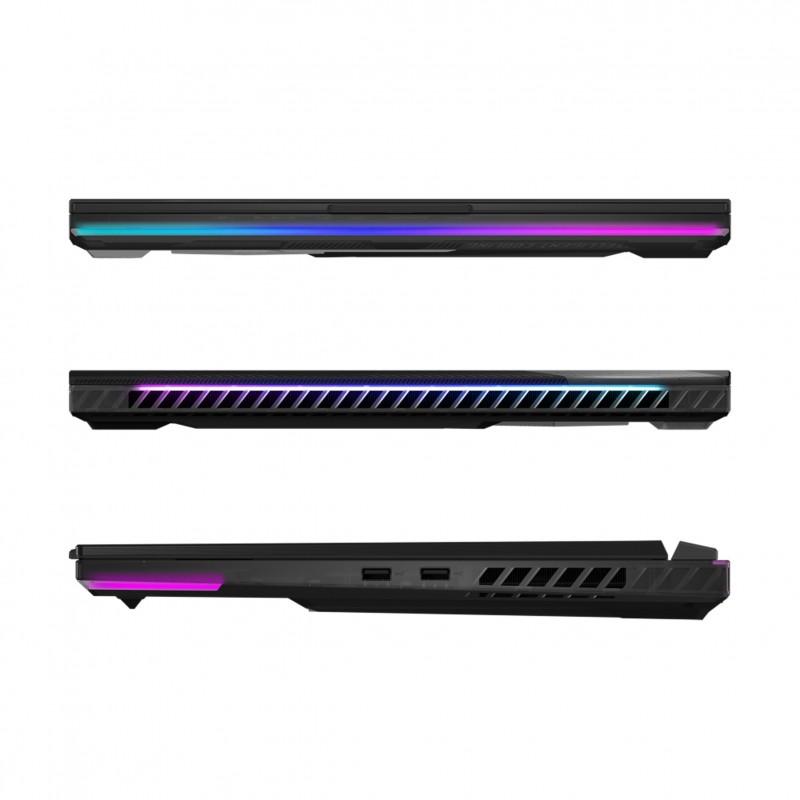
Unofficial specifications
Clock Feature36 MB cache | Cooling SystemDual Fan |
TouchscreenNo | HDMI PortsHDMI 2.1 |
Model NameROG Strix Scar 18 | Processor ModelCore i9-13980HX |
Display Size18 inches | RAM32 GB |
Usb TypeUSB 3.2 Gen 1 | Storage1 TB SSD |
BrandAsus | Weight3.1 kg |
Cooling TechnologyDual Fan | Wireless ChargingNo |
Display CharacteristicsIPS, 500 nits | Camera Features1080p FHD |
Screen Size18 inches | Body TypePlastic/Metal |
Processor Cores24 | dup34343.1 kg |
Dimensions394 x 294 x 27 mm | Processor Threads32 |
Storage InterfaceNVMe PCIe Gen4 | SD Card ReaderNo |
Processor BrandIntel | Build MaterialPlastic/Metal |
Battery90 Wh | Graphics VRAM16 GB GDDR6X |
Cpu TypeIntel Core i9 | Frequency (Hz)165 |
Model Number2023 | Warranty1 Year International Warranty |
Refresh Rate165 Hz | Special FeaturesTPM 2.0 |
Backlit KeyboardYes | RAM Speed5600 MHz |
Storage ExpandableYes (M.2 slot) | Audio Jack3.5mm Combo Jack |
Ram32 GB | dupll1 Year |
Device TypeGaming | Standby Time5-7 hours |
Resolution2560 x 1600 pixels | 3.5mm Audio JackYes |
RAM ExpandableYes (up to 64GB) | Audio QualityDolby Atmos Speakers |
Thunderbolt VersionThunderbolt 4 | Keyboard LanguageEnglish/Bangla |
Screen Resolution2560 x 1600 pixels | Charging Speed330W |
Display Touch SupportNo | EthernetNo |
Graphics CardNVIDIA GeForce RTX 4090 | Display TypeIPS |
App ControlNo | SensorsNo |
Processor Generation13th Gen | Available ColorsBlack |
RAM Slots2 | ChipsetIntel Platform Controller Hub |
Battery Capacity90 Wh | Storage Capacity1 TB |
Bluetooth VersionBluetooth 5.2 | Wifi SupportWi-Fi 6 (802.11ax) |
Gpu TypeDedicated | Build StandardStandard |
USB Ports3x USB 3.2 Gen 1, 1x USB-C 3.2 Gen 2 | Operating SystemWindows 11 Home |
Product DescriptionBlack | Battery TypeLithium-ion |
Processor Speed2.2 GHz base / 5.6 GHz boost |
Reviewer
Apr 19, 2026
When I first unboxed the Asus ROG Strix Scar 18, I was filled with excitement. This is a gaming laptop that promises top-notch performance and cutting-edge specs, but as soon as I plugged it in for my first gaming session, I was hit with dissatisfaction. I expected fluid gameplay and stunning visuals, but instead, I confronted issues that felt far from the premium experience touted in the flashy advertisements.
From the moment I turned it on, there was an overabundance of bloatware that frustrated me endlessly. Seriously, did they think I'd enjoy scrubbing through unnecessary apps just to get to what really matters? It made me feel like Asus was more interested in padding their software portfolio than providing us with a clean slate to work with.
I had high hopes when it came to the build quality. The metal chassis gives off an air of durability; however, after a couple of weeks of use, I began to notice small squeaks and creaks while moving it around. That left me feeling disappointed—this is not what you expect from a premium device that carries such a hefty price tag.
The keyboard also left me feeling mixed. On one hand, the RGB lighting looks fantastic—perfect for late-night gaming sessions—but the key travel isn’t what you'd want for intense gaming marathons. I've had cheaper laptops that felt more satisfying to type on! It pains me to say this because I wanted to love every inch of it.
The performance specs seem nearly perfect on paper; boasting high refresh rates and powerful GPUs should mean fluid gameplay. But during my experience with demanding titles like "Cyberpunk 2077", I faced frustrating frame drops that shouldn't happen on a laptop like this. I was so annoyed when mid-battle stuttering made timing everything impossible—I couldn't even compete effectively.
Playing less demanding games led me to some success stories but even then, thermal throttling became a prominent issue. When the fans kicked into high gear, drowning out my immersive experience with relentless noise pollution, I couldn’t help but wonder if this laptop truly lived up to its reputation.
An energy-draining battery life didn’t help alleviate my concerns either. For over $3,000, I expected something that could at least last through an afternoon without requiring a plug! There were times when I'd be using it casually—binge-watching series or working on documents—only to be met with warnings about low battery far too quickly.
I often found myself questioning who branded this machine as “high-end.” The catch-22 of affordability versus performance constantly gnawed at me because, honestly, how did they decide where corners could be cut?
If there’s one feature that genuinely impressed me, it’s the display itself. The 18-inch panel—with vivid colors and sharp details—really elevated my overall satisfaction during casual use and even while playing visually rich games. I caught myself marveling at how crisp the graphics appeared; this moment almost redeemed all past frustrations!
Also worth mentioning is its excellent cooling system (when functioning correctly). During those brief moments when everything ran smoothly together—the graphics bursting to life while fans kept temperatures manageable—it actually felt exhilarating! That's when it dawned on me: beneath all these significant flaws lies immense potential that's hard to ignore.
After living with the Asus ROG Strix Scar 18 for several weeks now, I'm conflicted. Underneath layers of marketing hype and expectations lurk genuine disappointments alongside unexpected joys. If only they’d sharpen their focus on resolving key issues while retaining their standout features!
Would I recommend it? Honestly, proceed cautiously if you're considering buying it full-price given its shortcomings versus value proposition. It has moments of brilliance—a stunning display and striking aesthetics—but too many let-downs left me weary rather than excited about gaming once again on this titan of tech. Color me extremely ambivalent about this purchase!
Share feedback or ask a question about this product.