
© 2026 Kossti. All rights reserved.
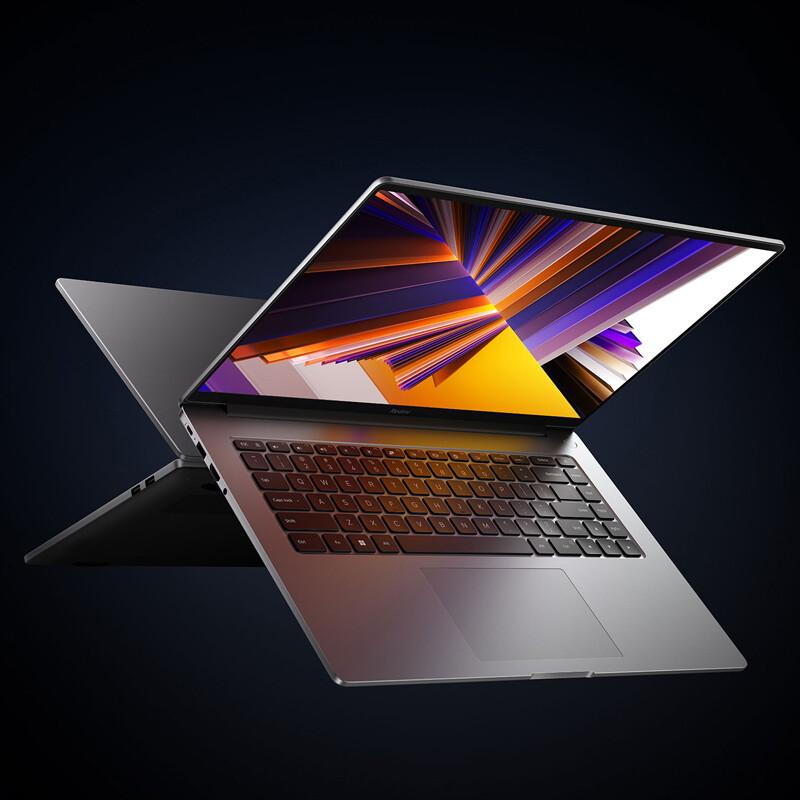
Unofficial specifications
Reviewer
Apr 20, 2026
When I first laid my hands on the Xiaomi Redmi Book 16, I was electrified by its sleek design and countable promises of high performance. After all, who wouldn’t be attracted to a laptop that boasts impressive specs for a fraction of the price? My expectations were through the roof, especially with all the buzz about how budget-friendly doesn’t mean sacrificing quality anymore.
However, as I began using it in my daily routine—mostly for work, streaming, and occasional gaming—I quickly realized that this was more about marketing hype than reality. The experience didn’t just fall short; it left me genuinely frustrated at moments when features fell flat. It's like they threw in enticing keywords without the substance to back them up.
I felt a mix of excitement and skepticism when unboxing. The aluminum chassis looked premium at first glance. But looking closely made me notice the cheap plastic joints near the hinge—it was a disappointing revelation. For something marketed as a “high-performance laptop,” I expected sturdiness that matched its appearance.
As I maneuvered between tabs and moved it around my desk, I noticed minor flexes in the body when pressing down. It wasn’t comforting to think that handling could lead to breakage. **This lack of attention to build quality made me question how durable this laptop really is—especially over time.**
The performance claims had me ecstatic! Designed for multitasking, I pushed it to its limits right away by running multiple applications simultaneously. Unfortunately, what should’ve been an effortless operation quickly turned chaotic. Lagging animations and irregular stuttering left me infuriated during crucial work moments.
I remember sitting in front of my laptop trying to finish an important presentation when it suddenly froze mid-editing! After waiting what felt like an eternity for it to wake up—I was on the verge of rage quitting. These kinds of hiccups are beyond aggravating, particularly when you rely on your tech for productivity.
This brings us to pricing, which is where things get tricky. On paper, it represents fantastic value—offering specs you'd find in pricier models—but functionality was sorely lacking. Honestly speaking, I **felt cheated** when I realized how often those promised high-performance stats simply didn't deliver.
The market is saturated with options now, making consumers aware they can get laptops that perform better or last longer in similar price ranges —so why should anyone settle for less? This feels like such a missed opportunity; one I believe could have been executed with more meticulous detail and thoughtfulness.
Despite all the letdowns, it's crucial to highlight where Xiaomi hit some targets right too! First off, the battery life proved surprisingly decent especially compared to other competitors in this price range. Zoom calls lasted through awkward family gatherings without needing constant recharging—which genuinely impressed me.
The keyboard was another unexpected gem; typing feels satisfying with good key travel and response which makes long hours less painful. It’s those small victories that had me smiling during otherwise frustrated moments! Occasionally the trackpad did behave erratically resulting in accidental clicks—yet every once in a while it would surprise me with smooth navigation too.
In conclusion, living with the Xiaomi Redmi Book 16 has indeed been a mixed bag filled with delightful moments overshadowed by disappointments. It gets plenty right but falls flat where I least expected—a true “almost there” situation if ever there was one!
If you’re thinking about buying this device purely based on promise versus what you’ll actually receive—you might want to take a step back and evaluate whether your needs can handle such inconsistency. For casual use and users looking primarily for aesthetic appeal over robust performance—maybe it'll do well enough. Otherwise? You might end up feeling like you’ve settled for less just because it looked good from afar!
Warranty1 Year International Warranty | Storage Capacity512 GB |
Backlit KeyboardYes | Gpu TypeIntegrated |
dupll1 Year | SensorsNo |
Cooling SystemSingle Fan | Display TypeIPS |
Audio Jack3.5mm Combo Jack | Charging Speed65W USB-C |
Product DescriptionGray | Standby Time8-10 hours |
Resolution1920 x 1200 pixels | Processor Speed2.8 GHz base / 4.3 GHz boost |
3.5mm Audio JackYes | Camera Features1080p HD |
Weight1.8 kg | Screen Size16 inches |
Ram16 GB | Storage512 GB SSD |
RAM Speed5500 MHz | Cpu TypeAMD Ryzen 5 |
dup34341.8 kg | App ControlNo |
Battery TypeLithium-ion | RAM Slots2 |
Storage InterfaceNVMe PCIe Gen4 | Model Number2024 |
Bluetooth VersionBluetooth 5.3 | Available ColorsGray |
Graphics VRAMShared | Model NameRedmi Book 16 |
Battery Capacity46 Wh | RAM ExpandableNo |
Thunderbolt VersionNo | HDMI PortsHDMI 2.1 |
USB Ports1x USB 3.2 Gen 1, 1x USB-C 3.2 Gen 2 | Graphics CardAMD Radeon Graphics |
Wireless ChargingNo | Storage ExpandableYes (M.2 slot) |
Build StandardStandard | TouchscreenNo |
BrandXiaomi | Cooling TechnologySingle Fan |
Body TypePlastic | Processor Cores6 |
Keyboard LanguageEnglish/Bangla | Display Size16 inches |
Build MaterialPlastic | Battery46 Wh |
Special FeaturesTPM 2.0 | RAM16 GB |
Refresh Rate60 Hz | Processor Threads12 |
Clock Feature16 MB cache | Audio QualityStereo Speakers |
Dimensions356.3 x 248.7 x 16.9 mm | Display Touch SupportNo |
Processor BrandAMD | Frequency (Hz)60 |
Display CharacteristicsIPS, 300 nits | Processor ModelRyzen 5 7520U |
Screen Resolution1920 x 1200 pixels | Usb TypeUSB 3.2 Gen 1 |
SD Card ReaderNo | Operating SystemWindows 11 Home |
Wifi SupportWi-Fi 6 (802.11ax) | Device TypeUltraportable |
EthernetNo |
Share feedback or ask a question about this product.