
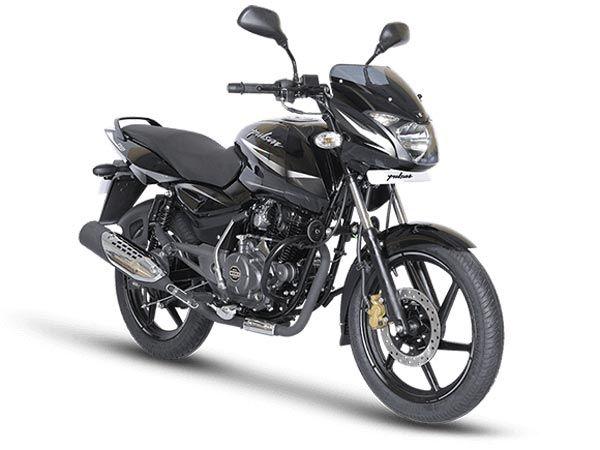
Unofficial specifications
Cooling SystemAir-cooled | Headlight TypeHalogen |
Horsepower14.0 HP | Number of Seats2 |
Tyre Size80/100-17 (front), 100/90-17 (rear) | Valve ConfigurationSOHC |
Rear Brake TypeDrum | Battery Capacity12V |
CC (Cubic Capacity)150 cc | Displacement149.5 cc |
Drive TypeChain | Length2055 mm |
Number of Gears5 | Seating Capacity2 |
Starting SystemElectric & Kick | Width765 mm |
Engine TypeSingle-cylinder, 4-stroke, DTS-i | GearboxManual |
Mileage45-50 km/l (approx) | Top Speed115 km/h |
Instrument ClusterAnalog-Digital | Fuel Tank Capacity15 L |
Transmission5-speed | Fuel SystemFuel Injection |
Spark Plug TypeStandard | Kerb Weight144 kg (approx, varies by variant) |
Emission StandardBS6 | Compression Ratio9.8:1 |
DRL (Daytime Running Light)No | ABS (Anti-lock Braking System)No (CBS) |
Fuel Capacity15 L | Max Torque13.6 Nm @ 6500 rpm |
Torque13.6 Nm | Wheelbase1320 mm |
Brake TypeFront Disc / Rear Drum (varies by variant) | Front Brake TypeDisc (or Drum in lower variant) |
Rim TypeAlloy | Clutch TypeWet multi-plate |
Fuel TypePetrol | Ground Clearance165 mm |
Max Power14.0 HP @ 8500 rpm | Tyre TypeTubeless |
Rim Size17 inch | Seat Height790 mm |
Electrical System12V DC | Ignition TypeDigital CDI |
Suspension TypeTelescopic front, Twin shock rear | Reserve Fuel Capacity |
Rear Tyre Size100/90-17 | Battery Type5 Ah |
Bore57 mm | Frame TypeTubular Double Cradle |
Color OptionsCocktail Wine Red, Nuclear Blue | Tail Light TypeLED |
Oil Capacity | Speedometer Type |
Suspension Material | Front Tyre Size80/100-17 |
Wheel Type | Stroke58.6 mm |
Side Stand Engine Cutoff | Rear Suspension Travel |
Brake Diameter240 mm front, 130 mm rear | Lubrication SystemWet sump |
Oil Pump Type | Front Suspension Travel130 mm |
Cooling Type | Front Brake Disc TypeStandard Disc |
Reviewer
Nov 12, 2025
Your first encounter with the Bajaj Pulsar 150 will likely evoke a sense of familiarity. This motorcycle has been in circulation long enough that many riders recognize its sleek, muscular design. The aggressive styling will turn heads, and the sporty stance proclaims confidence.
On closer inspection, you’ll appreciate the build quality — sturdy yet relatively lightweight. The detailing on the body panels generally does not disappoint, although some cost-cutting measures are apparent, especially in the lower-end variants. Overall, expect an entry-level commuter that makes a solid impression on the road.
The Pulsar 150 is equipped with a 149cc air-cooled, single-cylinder engine that produces about 14 PS at 8,000 rpm and offers decent torque. When you twist the throttle, you'll feel a satisfying pull as it accelerates smoothly up to around 60 km/h. However, speeds beyond this reveal a slight struggle; there’s an evident drop-off in power as you approach higher RPMs.
You'll find that day-to-day commuting feels adequate. The engine remains relatively calm during regular rides but can feel strained during longer highway runs or frequent overtakes. Expect some vibration at higher revs — it’s not egregious, but noticeable enough for your hands to feel tingling after a while.
In terms of handling, you’re looking at a well-balanced motorcycle for city riding. The conventional fork and twin-shock setup provide reasonable comfort over bumps, though rough patches may make themselves known through the seat. You might find yourself shifting positions occasionally to relieve discomfort on longer straits.
This bike also exhibits agility in urban traffic scenarios; sharp turns and quick maneuvers prove uneventful thanks to its lightweight build. But take note: if you're used to sportier bikes, you might find the steering somewhat sluggish compared to your expectations.
The fuel economy is one of the *notable* strengths of the Bajaj Pulsar 150. On average, you can realistically expect anywhere around 35-50 km/l depending on riding conditions and your own throttle inputs. The generous fuel tank complements this efficiency; fewer stops means more time enjoying your ride.
This factor coupled with its everyday usability makes it an excellent choice for those looking to save bucks on fuel amidst rising prices. However, do remember that heavy throttle use significantly impacts your mileage — moderation is key here.
The instrumentation is straightforward; you’ll appreciate clear visibility from both analog and digital elements even in direct sunlight situations — which is often a missed mark on competing models. Nevertheless, lacking features such as ABS can leave riders feeling insecure when navigating slippery surfaces or sudden brakes.
You’ll notice that while it lacks advanced tech found in modern competitors—like smartphone connectivity—the basic layout serves its purpose well for essential readings. This simplicity can be refreshing for those who prioritize functionality over frills.
The overall durability of the Pulsar 150 is commendable for its price range but comes with caveats. Rigid plastics are seemingly used across various components; they hold together just fine but lack finesse when compared to premium motorcycles. Expect minor wear-and-tear issues earlier than anticipated if subjected to harsh riding conditions or neglect.
A common complaint circles back to rusting concerns after extended exposure to moisture without proper care. Regular maintenance will undoubtedly extend its lifespan but avoid shortcuts, or else you will face costly repairs down the line.
Navigating through your final thoughts on the Bajaj Pulsar 150 reveals mixed sentiments about engineering prowess versus practical usage scenarios. You'll appreciate what this machine aims to offer at its price point: reliable transport with standout mileage and decent performance under typical conditions.
However, awareness of its limitations will enhance your experience significantly — whether concerning power delivery in high-speed situations or compromising some comfort aspects during longer rides. Recognizing these trade-offs ensures you're fully informed before making your decision regarding this motorcycle.
Share feedback or ask a question about this product.